
Campaign News, Challenging Government, Community News, Government & Policy, Impact, Plastic Pollution Posted — 26 August 2025
Why the 2025 Global Plastics Treaty Collapsed in Geneva
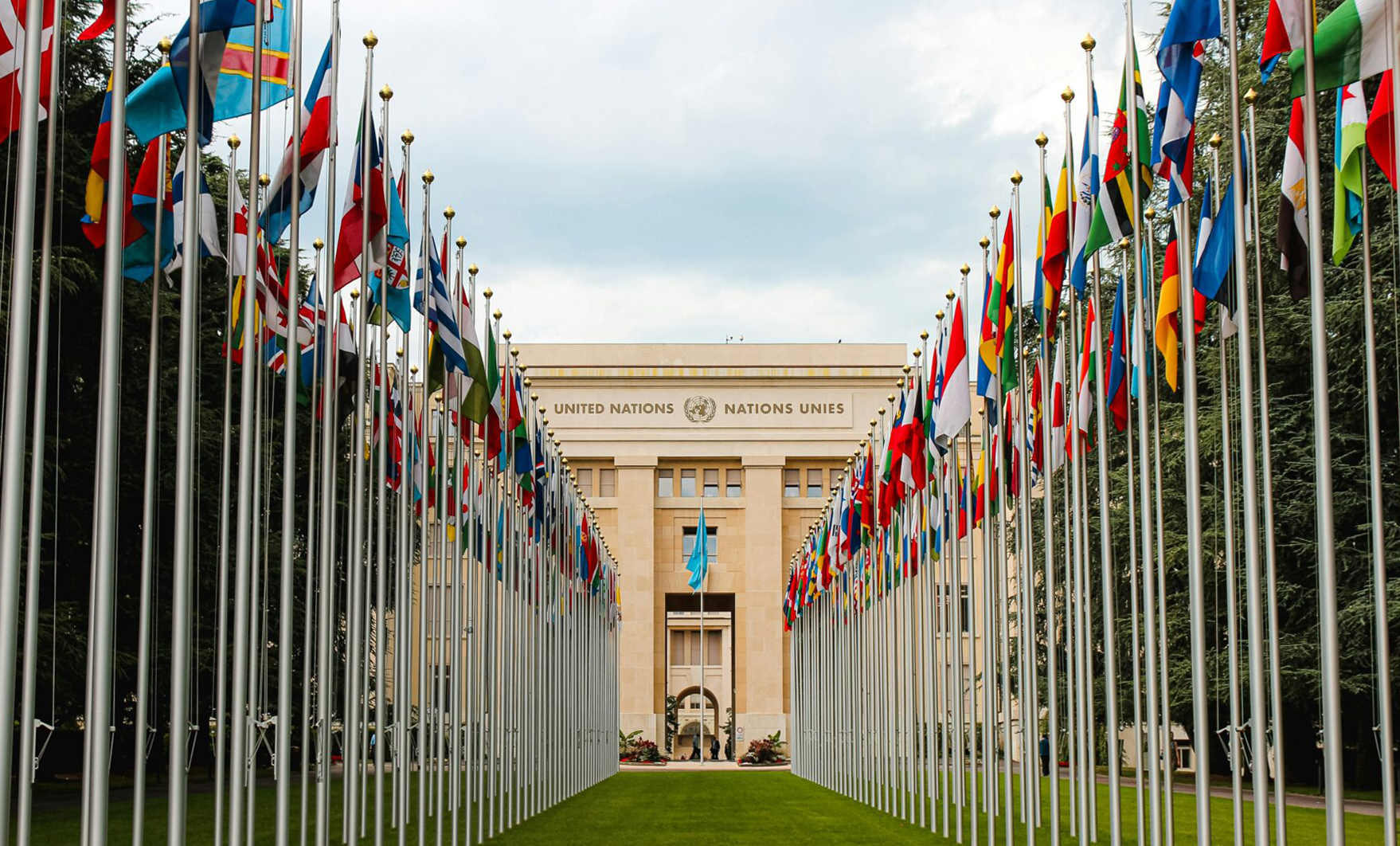
So how much of a failure was the Global Plastics Treaty? After delegates from 184 countries couldn’t agree on the first-ever legally binding treaty to curb plastic pollution, we look at why, what it means and why the fight is very much still alive.
A Treaty Undermined from the Start
1. A rift over production vs. recycling
The central fault line was that high ambition countries, known as the High Ambition Coalition (HAC), wanted to see limits on virgin plastic production. But ‘the likeminded group’, made up mainly of the petro-states, wanted to focus solely on recycling and product design. The positive to take away is that 100 countries advocated for binding reductions in plastic production and restrictions on toxic additives. But petro-states resisted, arguing for a focus on waste management. Environmentalists and HAC nations rightly were not going to accept a treaty that didn’t tackle the full life-cycle of plastics. So, they refused to discuss a final text that was so unambitious. The impasse became unbridgeable. Frustrating! But it does mean that the line was held for a future treaty that is strong and effective.
2. The power of petro-lobbying
Behind-the-scenes, powerful industry lobbyists influenced the agenda, watering down language and undermining progress. Analysis from the Centre of Environmental International Law (CEIL) revealed a record-breaking 234 fossil fuel and chemical industry lobbyists. That outnumbered the national delegations, scientists and indigenous peoples present. Vested interests hijacked the negotiations and scientific concerns were downplayed. The dominance of fossil-fuel interests over environmental urgency was painfully evident … and increasingly called out. The lobby is so blatant, the voice to counteract it can only gather strength.
3. Too weak, too late
Draft texts lost all potency as the ‘likeminded group’ chipped away, edited, amended, delayed and obstructed. Key sections on health protections, ‘phase out’ targets, and chemicals of concern were stripped away or scrubbed entirely. The final texts failed to address the lifecycle of plastics or offer real safeguards for communities and ecosystems. It was so watered down and so late in the day, that no treaty became the best outcome.
4. Deadlock
The requirement that every country agree – a consensus rule – meant even one strong dissent plunged the talks into crisis. Proposals to shift to majority voting were blocked, raising alarms that the process was broken. The process enabled deadlock. And no way out.

What happens now?
The failure to reach agreement doesn’t mean the end. In fact, it shows how important all the work done to end plastic pollution has been, is and will continue to be. The HAC did not back down. They held the line on creating a strong global treaty to end plastic pollution. And the line grows stronger as the mandate is increasingly demonstrated through communities, science and national policies.
While frustrating, no treaty is better than a weak treaty that enables no change. So this is a setback, one that sets us up for a stronger treaty. Here’s what comes next:
1. Talks will resume
Negotiators agreed to reconvene but we don’t know the timing and format yet. The UN’s Environment Program lead, Inger Andersen, emphasized that momentum continues
2. A strengthened “high ambition” bloc
Countries like the UK, several EU members, Rwanda, and Norway are already regrouping. Some suggest building a coalition prepared to push a new, more ambitious draft. Even if it means moving without the petro-states in tow.
3. Process reform
There’s growing support for changing the decision-making process, such as moving away from consensus-based decisions and voting instead. That will avoid future deadlocks.
4. National & regional action
Some countries and regions are accelerating unilateral action by phasing out single-use plastics, investing in sustainable plastic alternatives, and launching circular economy strategies. Change is still happening.
5. Still a silent health and environment crisis
But the lack of a treaty leaves continued plastic production unchecked. That means rising microplastic pollution, harmful chemicals, and emissions. This inaction raises the risk of worsening health and environmental fallout.

The fight continues
The collapse of the latest Global Plastics Treaty negotiations wasn’t just a policy setback; it was an environmental heartbreak. Without limits on production, the scale of plastic pollution continues to grow, carrying grave risks for ecosystems, human health, and climate instability.
All is not lost though. The urgency many countries feel is highlighted for all to see. There is a chance to rebuild stronger. And also an opportunity to hold petro-states accountable.
If anything, this moment underscores the necessity of bold, binding action and the growing frustration of a world that demands it. There are a few upcoming moments both locally and internationally that can help foster the changes we need to see to end plastic pollution:
1. COP30, Brazil
At COP30 – the 30th time world leaders will meet to discuss action on the climate crisis – discussions around plastic production caps will likely be readdressed due to the material’s significant contribution to climate breakdown.
2. National Policy Opportunities
From devolved elections to several consultations and policy opportunities looking at plastic pollution and the circular economy, there are several upcoming moments to effect change on a local and national level.
A majority of countries wanted an ambitious global plastics treaty in Geneva, including the UK. This is why we must now continue to demand the changes these countries were advocating for – it may not be through a treaty right now, but that is no reason to not act at all. The UK has the power to make national policy changes and a responsibility to continue the international conversation.
For a detailed run through on what SAS got up to at the Global Plastics Treaty, be sure to read our blog where we published live updates from Geneva.
Latest News & Events
Other ways to support
Plastic Free Schools
We urgently need your help to fight plastic pollution, protect the ocean
and save wildlife.

Join Surfers Against Sewage
The more members we have, the louder our voice becomes and the more attention we can demand from government and industry.
Fundraise for us
When you sign up to a challenge event or host an event in aid of SAS, not only will YOU be saving our oceans, but you also get to have lots of fun while doing it!