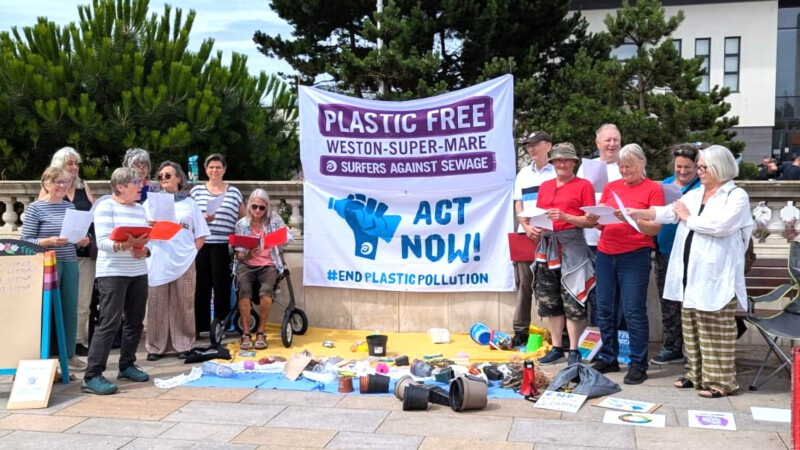
Case study, Community News, Plastic Pollution, Stats & Research Posted — 11 March 2025
Exposing the truth about plastic pollution
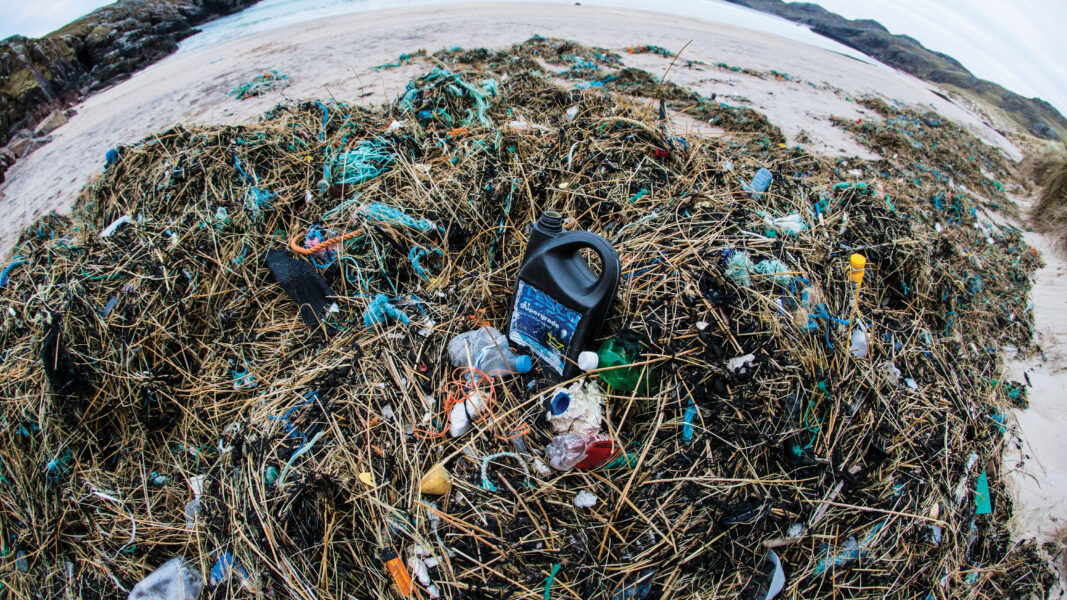
As part of a collaboration project between Surfers Against Sewage (SAS), the University of Plymouth, ZSL and the National Geographic Society, almost 100 volunteers took part in a first-of-its-kind research project on plastic pollution trends across Britain.
Titled Citizen Science Reveals Litter Trends in the UK: Population Density Effects on Coastal and Inland Regions, the community-led research has now been published in Marine Pollution Bulletin, investigating the correlation between plastic pollution and population density.
From Cornwall to Cumbria, Leeds to Lincolnshire, SAS Plastic Free Communities activists collected 27,855 items over a five-month survey period in 2021, documenting the quantities and types found using a smartphone app. The volunteers collected 9,200 pieces of hard plastic and other fragments, 9,150 items of food wrappers and other packaging, and 6,300 pieces of cigarette-related debris, including butts and lighters.
The findings show that the UK’s coastline holds 60% more plastic pollution than inland areas, and coastal areas saw a significant influx of new plastic waste in comparison.
The research highlights the powerful role that citizen science plays in research as well as the need for targeted strategies and policy change to tackle plastic pollution.
What our Community Leaders said:

Vanessa Riley, a retired teacher and Plastic Free Community lead from Dawlish who took part in the research said: “I was immediately interested in taking part in this research, as I am passionate about reducing plastic pollution in the local environment. Our group undertakes beach cleaning as a regular monthly activity throughout the year, so taking part in the study was a natural progression.”
“Plastic pollution is a scourge on our environment and while we have not acted quickly enough to prevent the already devastating effects on ourselves and our precious environment, we can act now to reduce further harmful effects in the future.”
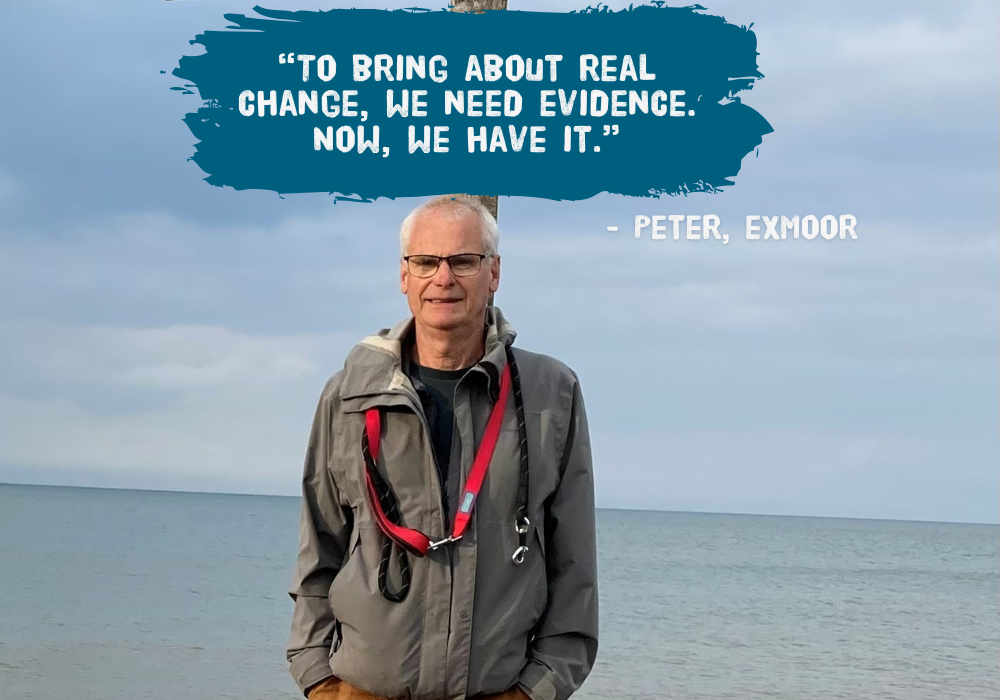
On being involved with the research, Peter from Exmoor said: “I was keen to take part in the survey because it is only by raising awareness and bringing about societal change, that real sustained change will come about. To do this, evidence is needed to put pressure on councils and governments.
“As a Community Lead for Plastic Free Exmoor, I am passionate about helping to reduce plastic pollution. I see the need to reduce our use of single use plastics as a really important issue and one to which I give as many hours in a week to as I can. I believe that the vast majority of people appreciate the problem and would like to do something about it but feel overwhelmed by the tide of plastic that surrounds us in our everyday lives.”
Rachel Yates, Senior Communities Manager at Surfers Against Sewage said:
“Surfers Against Sewage has around 700 Plastic Free Communities across the UK, all working on upstream solutions to the plastic pollution crisis. To see nearly 100 ocean activists come together in this huge citizen science project whilst cleaning up polluting items from our coastline, green spaces, streets and mountains, is testament to the power of community action and its critical role in research.
“Now more than ever, we must see a reduction in plastic production and a concerted effort to create circular systems in the UK, and beyond. With increasing evidence to the presence of micro and nano plastics in the ocean, water, air, soil and even the human body, it’s time to turn up the dial and end plastic pollution and its devastating impact.”
Aqulia Erskine, who led on the citizen science data collection for SAS throughout this project said:
“Coordinating the citizen science data collection for this project was such a rewarding experience. I was genuinely blown away by how many Plastic Free Communities volunteers showed up with endless enthusiasm, dedicating time each month without fail to survey their chosen transect. Seeing all that dedication turn into published research is seriously cool — it’s a powerful reminder of what we as individuals can achieve when we come together for a shared cause.”
Dr Imogen Napper, Visiting Research Fellow at the University of Plymouth, who led the study with funding from the National Geographical Society, said:
“Litter pollution is a pressing environmental challenge, yet we still lack a full understanding of where it originates, how it spreads, and which solutions are most effective. To build a clearer picture, our research worked with almost 100 volunteers who tracked waste in their local areas, a demonstration of how communities can provide crucial evidence to drive change. The data revealed how geography and community type shape litter patterns, highlighting the urgent need for tailored waste strategies to be designed and delivered in different areas.”
Want to get involved with fighting back against plastic pollution and citizen science research like this?
Latest News & Events
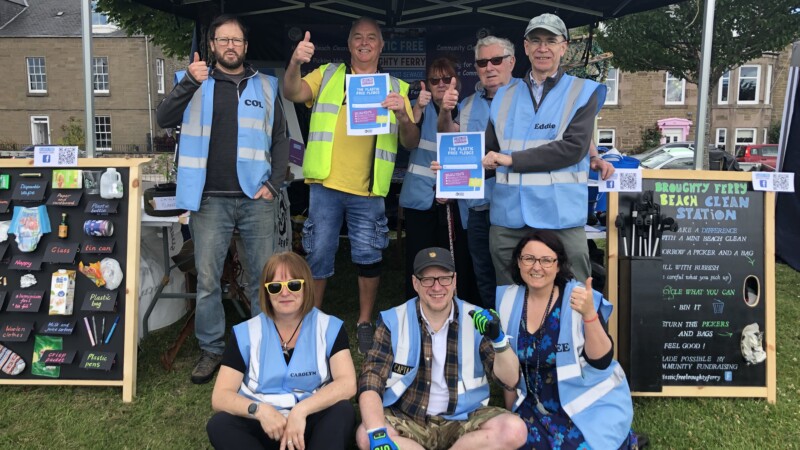
Other ways to support
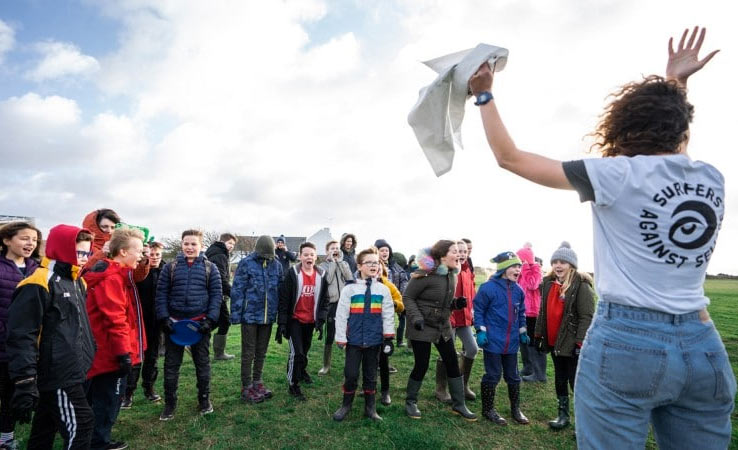
Plastic Free Schools
We urgently need your help to fight plastic pollution, protect the ocean
and save wildlife.
Join Surfers Against Sewage
The more members we have, the louder our voice becomes and the more attention we can demand from government and industry.
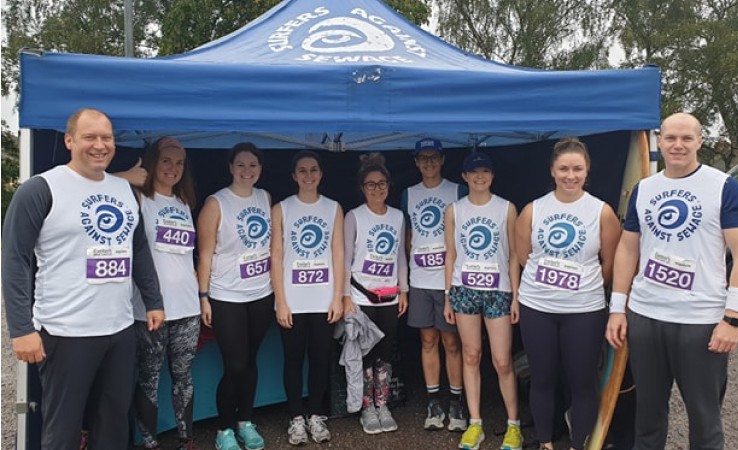
Fundraise for us
When you sign up to a challenge event or host an event in aid of SAS, not only will YOU be saving our oceans, but you also get to have lots of fun while doing it!