Business, Case study, Challenging Government, Community Allies, Community Case Studies, Community News, Events & Actions, Government & Policy, Impact, Plastic Pollution Posted — 16 July 2026
Celebrating Community Action in July
What does it mean to be a Plastic Free Community?
It’s Plastic Free July, and we’re celebrating our amazing Plastic Free Communities. Together, they form a nationwide people-powered movement dedicated to breaking free from single-use plastic and stopping its production for good.
Since its start in 2017, it has become the UK’s largest community-led campaign fighting single-use plastic. It unites thousands of people in urban, rural and coastal locations nationwide who are taking action locally to protect their beaches, shared streets, green spaces and waterways from the brands and businesses who create it.
Towns and villages across the UK are driving long term plastic reduction by working with councils, individuals, businesses and organisations to reduce single-use plastic usage. Collectively their action on the ground is triggering systemic change at the top.
What do they work on?
To achieve this impact and sustainable change, communities are using the Plastic Free Communities five step toolkit. The toolkit provides guidance for each step of the journey towards achieving Plastic Free Community Status, and forms the foundations on which our communities can build sustainable, long-term plastic reduction where they live.
Step 1: Engaging your Local Council
Communities work with their local council to pass a Plastic Free Motion resolution supporting their journey to Plastic Free Community status. Councillors lead change by influencing local organisations such as schools, hospitals and businesses, and they strengthen the wider Plastic Free movement when they come together in support.
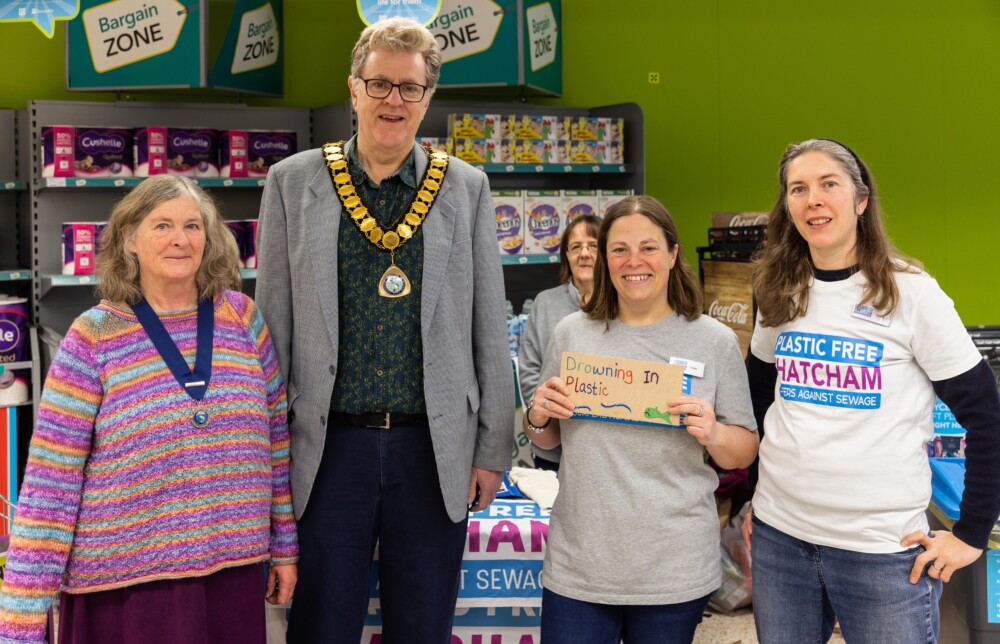
A great example of this is in Thatcham and Newbury, where they have worked with their town council to make long term plastic reduction plans. They have adopted a Plastic Free Event Charter, and the community lead Jenny sits on their environmental working party. Jenny has received a Civic Environmental Award in recognition of her work with the council.
Step 2: Plastic Free Champions
Communities work with local businesses to help them reduce single-use plastic. Businesses remove at least three single-use plastic items to achieve our Plastic Free Champion awards.
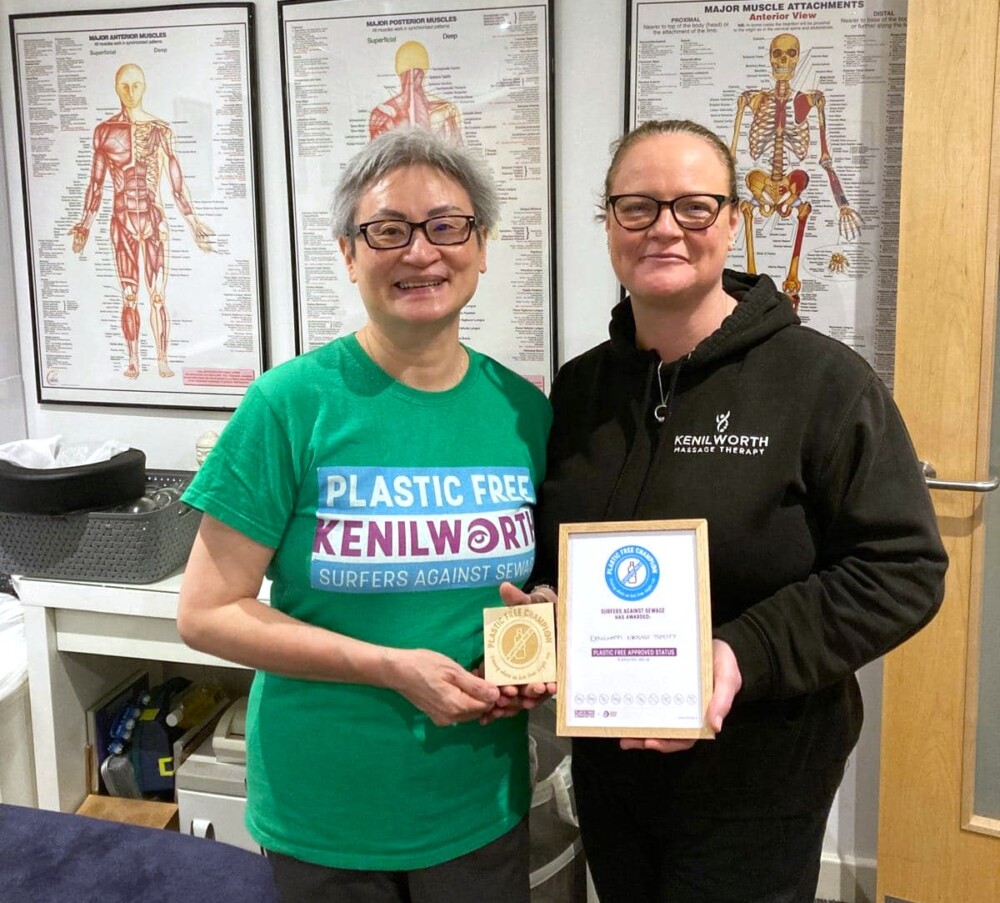
Plastic Free Kenilworth have teamed up with local group ‘Recycle for Kenilworth’ to encourage local businesses to sign up for the award. Their Gold awarded business May’s Home Shopping has removed all single-use plastic from their day-to-day operations and products to customers. They’ve supported local plastic free initiatives and national SAS campaigns.
Step 3: Community Allies
A wider community can be inspired and supported by local groups and organisations, such as schools, clubs, events, community spaces, and media, to spread the plastic free message. They become Community Allies to the movement by agreeing to follow the Plastic Free Pledge.
Plastic Free Forest Gate have made some amazing deep community connections with groups such Forest Gate Community Garden, The Gate Library, Sustainable Newham, Forest Gate Womens Institute, Woodgrange Primary School, Save Our soils and many more. Their relationship works both ways with each group supporting each other.
Step 4: Community Actions & Events
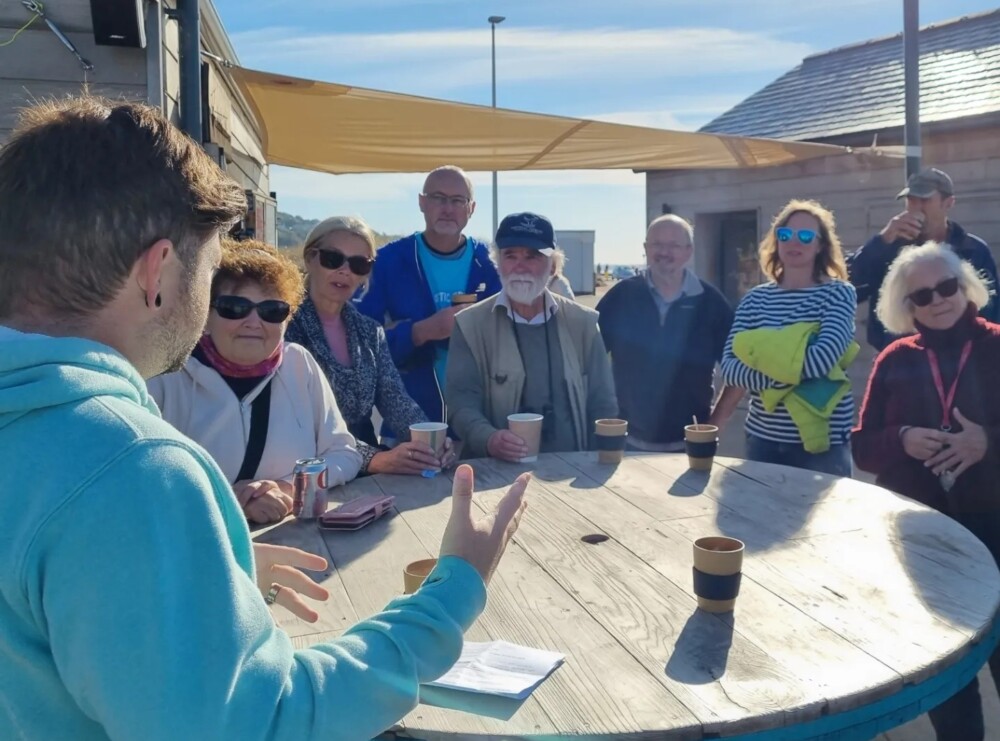
Communities organise two or more events in one calendar year that are free and accessible to everyone. Examples include a Million Mile Clean or a Mass Unwrap event. Plastic Free Exmouth, run by community lead Jill, run regular Sunday beach clean events with over 30 volunteers often attending. They invite local Plastic Free Champion businesses like Hangtime Cafe to support their events. Their group also supports other local festivals, education workshops and family activity days.
Step 5: Steering Group
Communities form a group of local stakeholders and meet at least twice a year to take their community campaign forward. This helps connect people with widespread expertise and energy, whilst also helping to share the workload, responsibility and ownership.
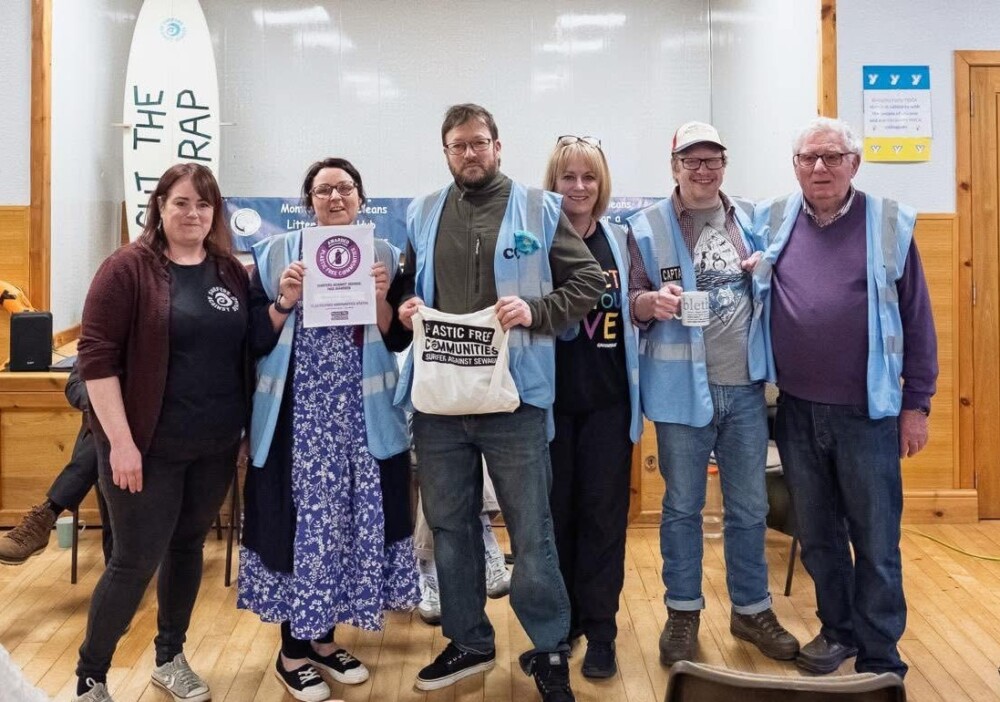
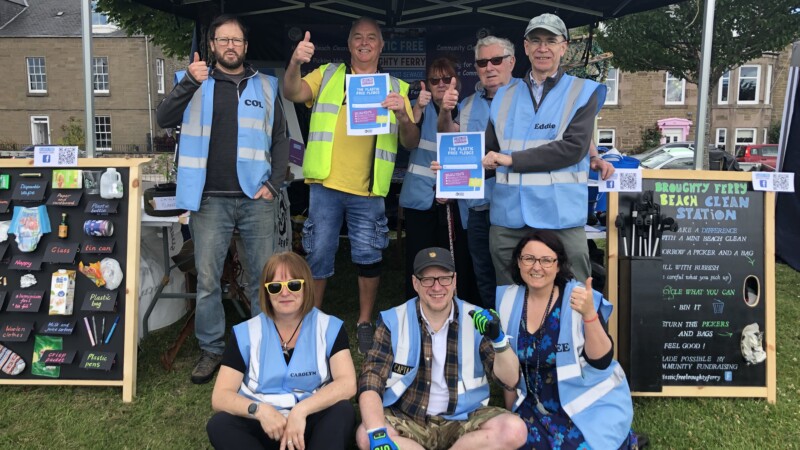
Plastic Free Broughty Ferry in Scotland achieved their Plastic Free Status award using the five steps PFC toolkit. They began first by asking a local councillor to join their steering group meetings, which then helped set the ball rolling to ask their council to pass a Plastic Free Motion.
By working on the five steps and reaching out to their whole community, Plastic Free Communities are reducing the demand for the supply and production of plastic at its source. This also then drives the availability of plastic free alternatives, making plastic free choices more accessible to everyone.
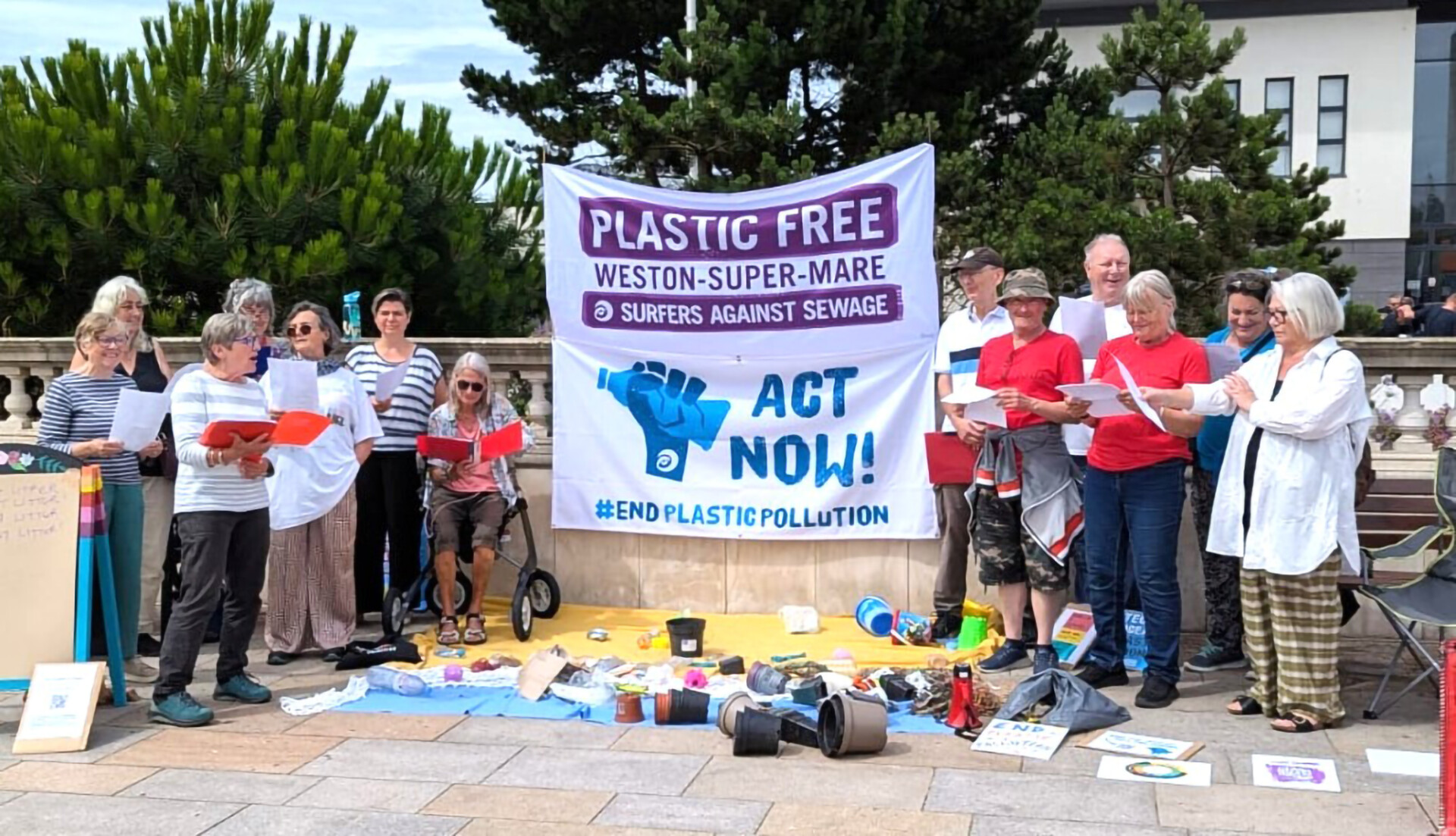
The Plastic Free Communities (PFC) campaign showed me that real change happens when everyone has a role to play. By bringing together businesses, schools, community groups, local government and residents, it has helped put the environment at the heart of Weston-super-Mare and has been one of the most rewarding experiences of my life. The opportunity to collaborate not only locally, but across the fantastically inspiring PFC community nationally has been awesome.
Debbie, Community lead for Plastic Free Weston-super-Mare
Action on the ground that triggers change at the top
The SAS Plastic Free Communities toolkit is designed so that local action taken on the ground, is then able to trigger national policy change at the top. Through Surfers Against Sewage campaigns, Plastic Free Communities are bringing the battle to the decision makers and polluters, and holding them to account. And with hundreds of communities across the UK, that’s an awful lot of people power!
Plastic Free Guisborough and PF Saltburn held a brilliant protest stand during the SAS People vs Plastic national protest day in July 2025. They engaged individuals, local Plastic Free Champion business owners, community allies and their local councillor to get behind national demands for a UK DRS (Deposit Return Scheme) and new plastic reduction legislation.
Plastic Free Communities are also instrumental in exposing the scale of the plastic problem, through collaborative research and citizen science.
Published last year, our communities took part in a first-of-its-kind research project on plastic pollution trends across Britain, highlighting the powerful role that citizen science plays in research, as well as the need for targeted strategies and policy change to tackle plastic pollution.
In March this year, Surfers Against Sewage released the 2026 Brand Audit Report, unveiling the UK’s worst polluting brands. Plastic Free Communities, alongside thousands of people across the UK, helped power the report through their Million Mile Cleans. Not only removing harmful plastic from the environment, but recording vital data to hold polluters accountable and turn the tide on plastic pollution.
Stronger Together
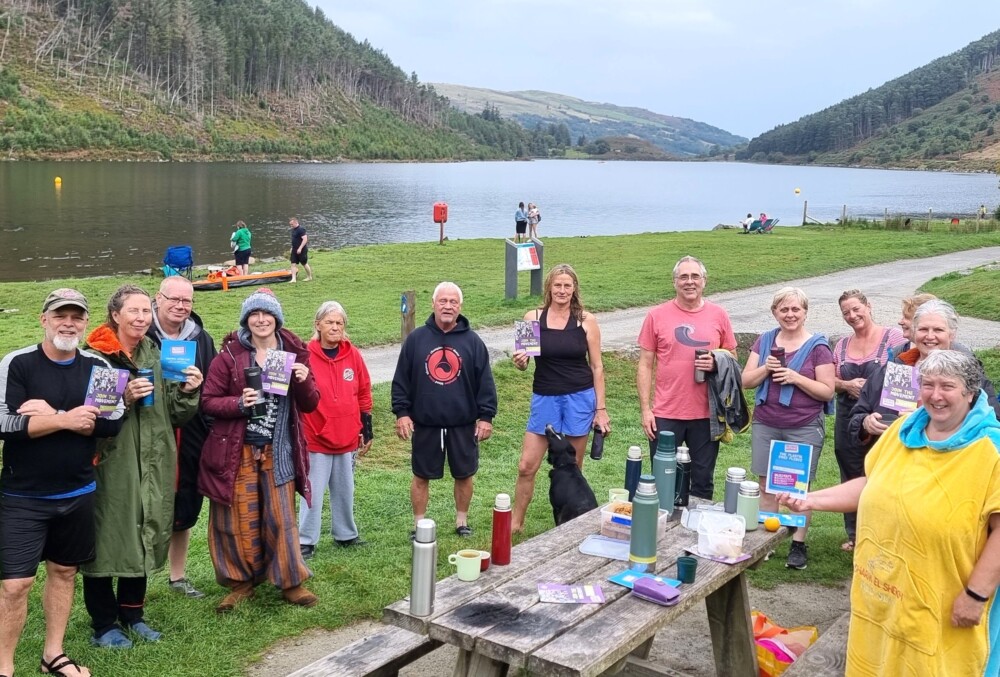
Over the years we have also seen individual Plastic Free Communities coming together to form bigger, united communities. By sharing resources, meeting together, and supporting each other’s events, they can be stronger and more connected, and have a collective voice in calling for change at a national level. We have seen this across the district area of PF Betws-y-Coed in Wales, who have successfully united eight community councils together, each having resolved Plastic Free Motions, and together driving the plastic free movement forwards.
Want to be part of Plastic Free July and join the UKs biggest Plastic Free Movement?
Find out more about how you can lead your community to take action on plastic locally
Sign up your business to become a Plastic Free Champion >> https://plasticfree.org.uk/get-involved/business/
Find your local community >> https://plasticfree.org.uk/get-involved/find-your-community/
Get an action plan >> https://plasticfree.org.uk/get-involved/individuals/
Latest News & Events
Other ways to support
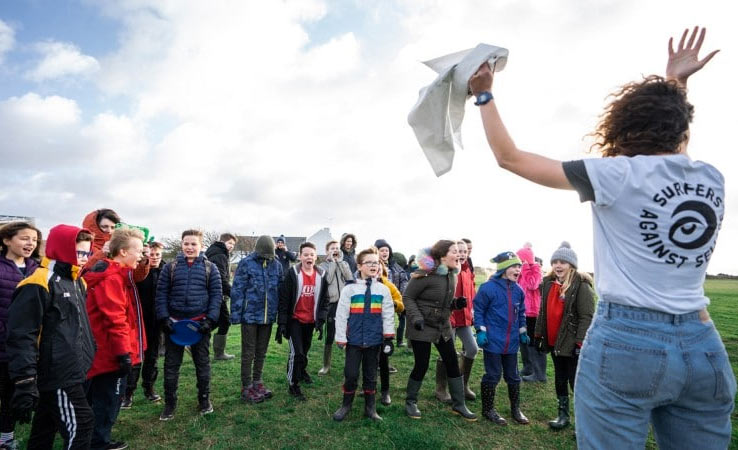
Plastic Free Schools
We urgently need your help to fight plastic pollution, protect the ocean
and save wildlife.
Join Surfers Against Sewage
The more members we have, the louder our voice becomes and the more attention we can demand from government and industry.
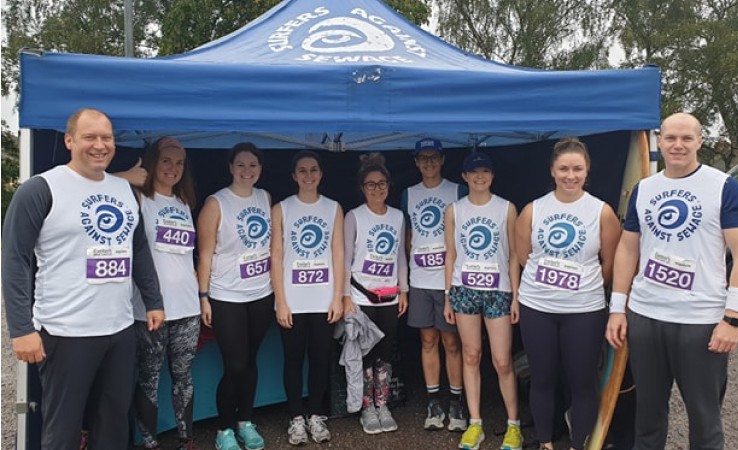
Fundraise for us
When you sign up to a challenge event or host an event in aid of SAS, not only will YOU be saving our oceans, but you also get to have lots of fun while doing it!