Challenging Government, Government & Policy Posted — 21 November 2024
The lowdown on the Global Plastic Treaty
HOW IT ALL STARTED
It was 2017, we were watching Blue Planet 2, which spring-boarded plastic pollution into the public view. SAS launched Plastic Free Communities, kick starting one of the biggest plastic free movements in the UK. And at the same time, at the United Nations Environment Assembly, experts put forward the idea of a global and legally binding agreement to curb plastic pollution.
Fast forward to 2022, and the idea turned to reality, when UN member states resolved to adopt a new resolution to “End Plastic Pollution” by the end of 2024. And a few months later, the very first meeting to negotiate a legally binding agreement was underway in Uruguay.
Finally, there was a legal mechanism to tackle plastic pollution at a GLOBAL scale.
SEVEN YEARS LATER…
A lot has changed since 2017, Plastic Free Communities has grown to over 600 strong, and the new UK government has a real mandate from our communities to change. We know a lot more about the impact of plastic on human and ecosystem health, and it’s much more talked about. We know about the crises now.
But one thing hasn’t changed – plastic production is not slowing. And that’s where the treaty could come in…
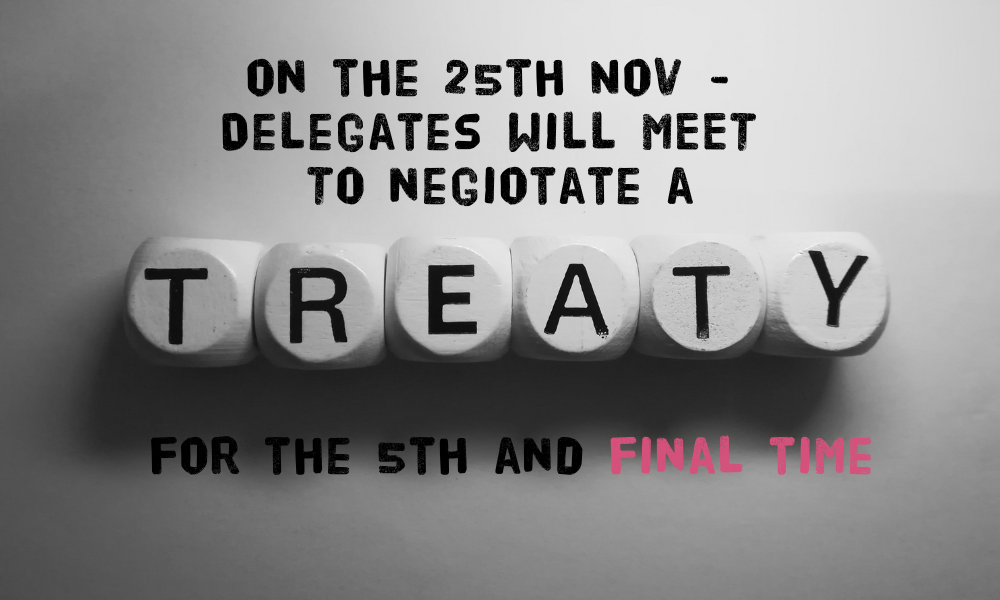
Seven years in the planning, and three more meetings, now we’ve reached the key moment that was promised. The fifth and final intergovernmental negotiation meetings, will take place in Busan, Republic of Korea to finally agree on a treaty. And if it happens it will be world first in plastic policy.
ROUGH WATERS
But things haven’t been plain sailing. While during the second meeting some key drafts of the treaty were secured in Paris and published, by the third meeting, negotiations had begun to stall. And additions to the draft caused delays.
During the fourth meeting in Canada, while countries generally agreed on waste management and rules to ban problematic and avoidable plastic products, the amended draft failed to include measures to reduce production and consumption of plastics.
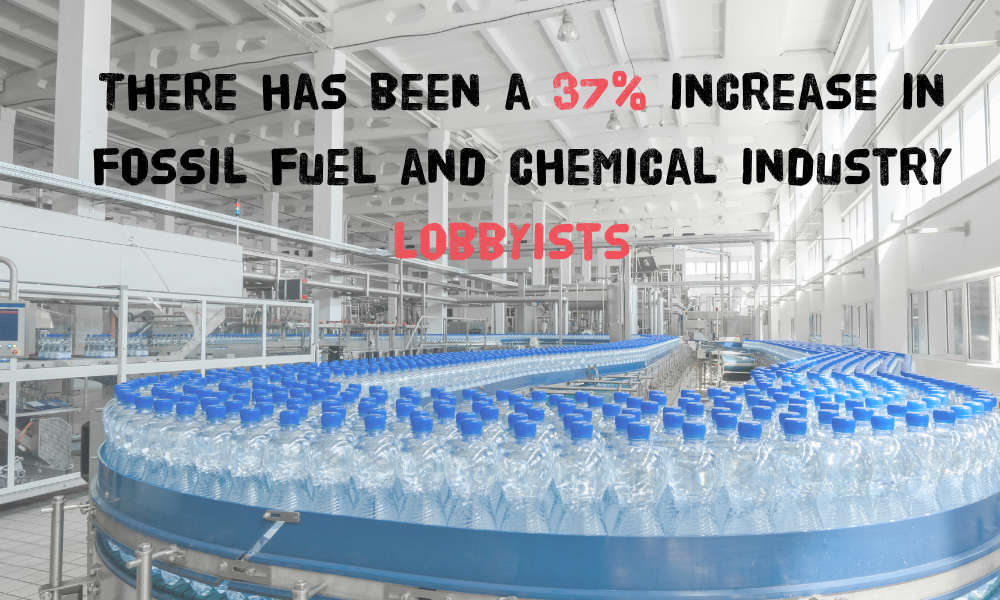
The fourth meeting faced another issue – lobbyists.
IMBALANCE OF POWER
The Center for International Environmental Law (CIEL) found the number of fossil fuel and chemical industry lobbyists OUTNUMBERED the amount of European Union delegates at the fourth meeting. And was three times the number of independent scientists in attendance.
Businesses are not allowed to register directly –but many lobbyists attended instead through trade associations or as country delegates.
The imbalance in power took its’ toll, and disrupted progress.
RALLYING TOGETHER
Countries rallied together to counter-act the lobbyists, and presented a call for a 40% reduction in plastic production by 2040. Several countries also launched the Bridge to Busan Declaration in support of including restraints on production of primary plastics in the treaty.
Studies show that the world cannot achieve its goals of ending plastic pollution and limiting global average temperature rise to less than 1.5° Celsius if the unsustainable production of primary plastic polymers is not addressed.
From the Bridge to Busan Declaration.
So going into the fifth meeting, there’s much work to do, and a lot riding on the outcome.
There’s a real risk that plastic reduction targets will fail to be included in the treaty. We know as Plastic Free Communities, stopping plastic pollution at source and cutting production is the only way out of this crisis.
BUT there is still time.
We can still push for change, so tell everyone you know, tell your MP, tell Starmer and join us in saying enough is enough – END PLASTIC POLLUTION
Find out more about Plastic Free Communities and our Plastic Pollution campaigns.
Latest News & Events
Other ways to support
Plastic Free Schools
We urgently need your help to fight plastic pollution, protect the ocean
and save wildlife.
Join Surfers Against Sewage
The more members we have, the louder our voice becomes and the more attention we can demand from government and industry.
Fundraise for us
When you sign up to a challenge event or host an event in aid of SAS, not only will YOU be saving our oceans, but you also get to have lots of fun while doing it!