Campaign Activations, Campaign News, Plastic Pollution Posted — 4 December 2025
The hunt for plastic beads and discs polluting our waters
A few weeks ago, news spread fast of a huge spill of small plastic beads at Camber Sands, East Sussex. Communities there are still facing the devastating environmental impacts and dealing with the clean-up. These pellets, known as bio-beads, and other plastics such as discs or wheels, are types of bio-media used in waste water treatment plants. This was not a trivial spill or one-off glitch, but a systemic failure of the water industry.
And we know water companies have been leaking these into our environment for years, in numbers we can’t yet quantify.
So, we need YOUR help to uncover the scale of the problem. If you think you have found bio-media on your local beach or waterway – then tell us via the link below.
Tell us if you found bio-media
⚠️ Please wear gloves when picking up any bio-media
What to look out for: Bio-beads vs Nurdles
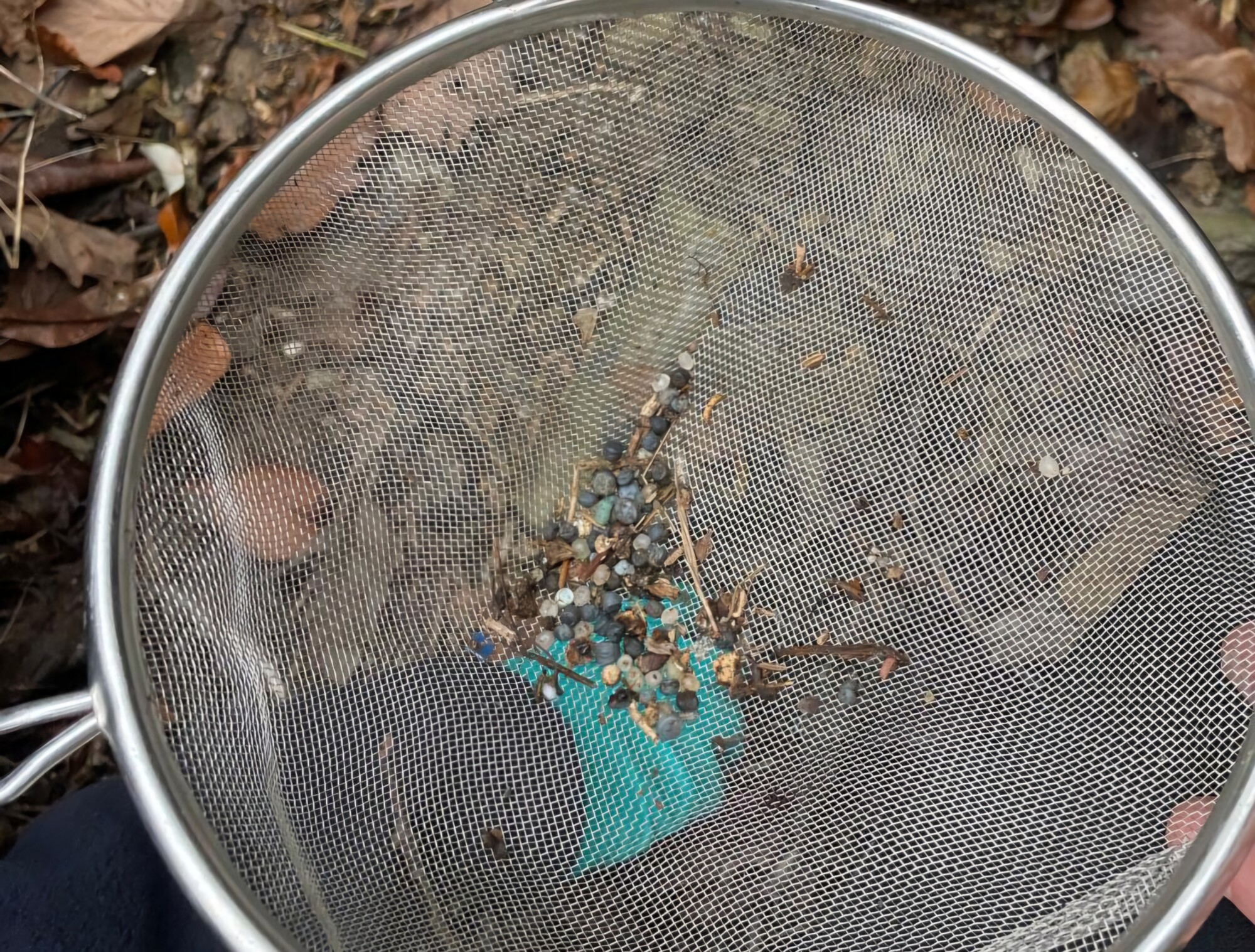
Bio-beads are the smallest type of bio-media. They’re irregular, rough, cylindrical pellets–often blue, black, grey or white. While Bio-beads look similar to nurdles (also known as mermaid tears), they are not the same. Nurdles are smooth, oval or round pre-production or virgin plastic that is used to make new plastic products, these are often clear, white or bright colours. We are looking for bio-beads for this survey.

Plastic Discs and Other Types
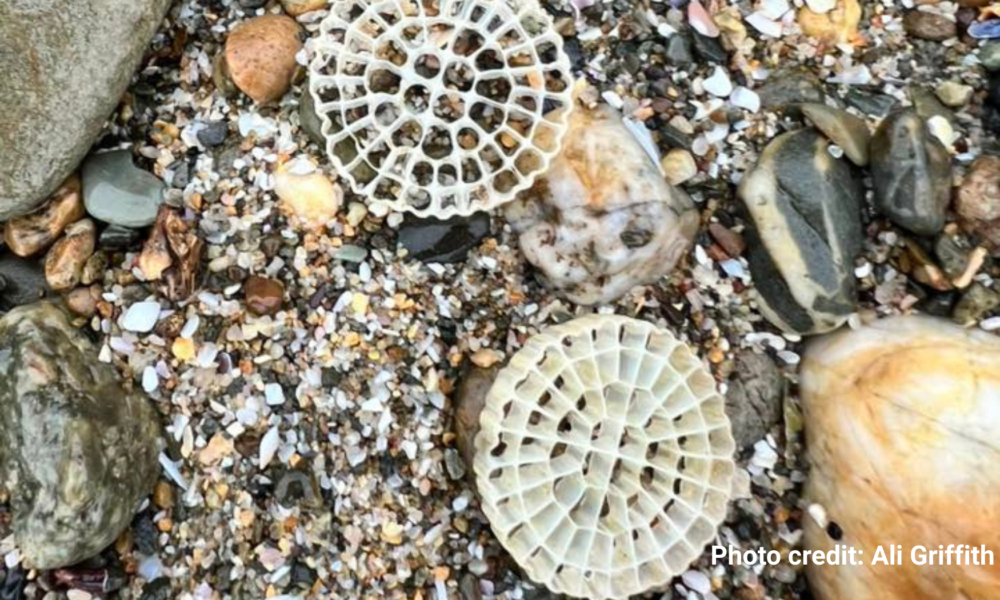
Water companies use many different types of bio-media, from small wheels, tubes, and plastic discs. There have been spills in plastic discs in Wales and Scotland in the last few years, so we want to gather evidence on these too.
Why are they so harmful?
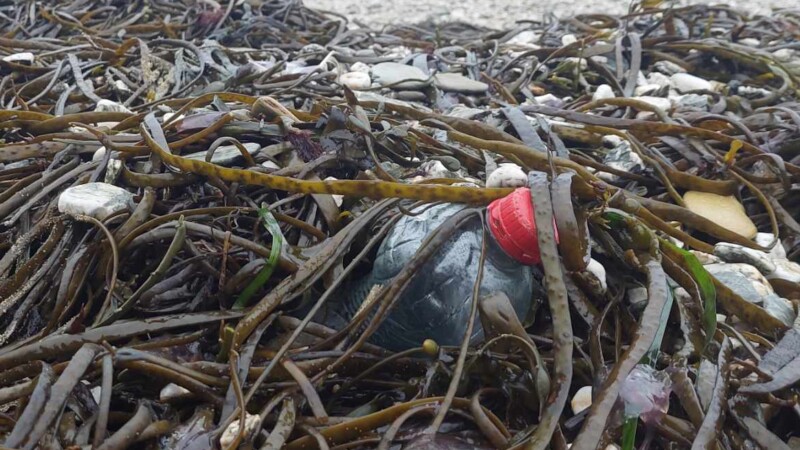
Bio-media, when they end up in the environment, are incredibly difficult to remove, causing long-term implications for marine life, beach users and coastal ecosystems.
Small in size, bio-bead in particular can get into the food chain. They are easily mistaken for food and are often ingested by birds, marine animals and fish, resulting in sometimes fatal harm. Once ingested, the pellets cannot be expelled and may cause starvation, internal injury or poisoning.
To make matters worse, the rough surface of bio-media encourages bacteria to survive. And due to the nature of their use – to filter our chemical-laden raw sewage – we can only imagine how many highly toxic chemicals, pathogens and viruses are carried on these plastics.
Why are they being spilled?
Bio-media are spilled when the containment holding them in the reactor tanks fail, such as screens ripping or tanks overflowing. Spills have gone unnoticed by water companies, with communities left to sound the alarm. We’ve heard from those who have visited sites and seen poor handling, storage and plastic media littering the floor of plants. Lack of investment, crumbling systems and a failing water system in the UK has meant leakages and spills are all too common. And with many of the plants using them approaching 30 years old, the problem could get worse.
Together with your evidence helping to uncover the scale of the problem, we are calling for:
- Water companies to foot the bill for the clean-up operations and ongoing monitoring into the impact of leaks. From profits and not customer bills.
- Complete transparency from water companies when spills happen. An immediate alert from water companies to the public to enable monitoring & clean-up without delay.
- An independent investigation into spills to be conducted, with findings and solutions clearly communicated to the public.
- Better regulation and enforcement around bio-beads / bio-media and use of them in the water industry
For any question on bio-media, bio-beads please contact us at plasticfreecommunities@sas.org.uk
Latest News & Events
Other ways to support
Plastic Free Schools
We urgently need your help to fight plastic pollution, protect the ocean
and save wildlife.
Join Surfers Against Sewage
The more members we have, the louder our voice becomes and the more attention we can demand from government and industry.
Fundraise for us
When you sign up to a challenge event or host an event in aid of SAS, not only will YOU be saving our oceans, but you also get to have lots of fun while doing it!