How To Guides, Plastic Pollution, Reduce, Refill & Reuse, Resources, Stats & Research Posted — 31 January 2024
The problem with bio-plastic
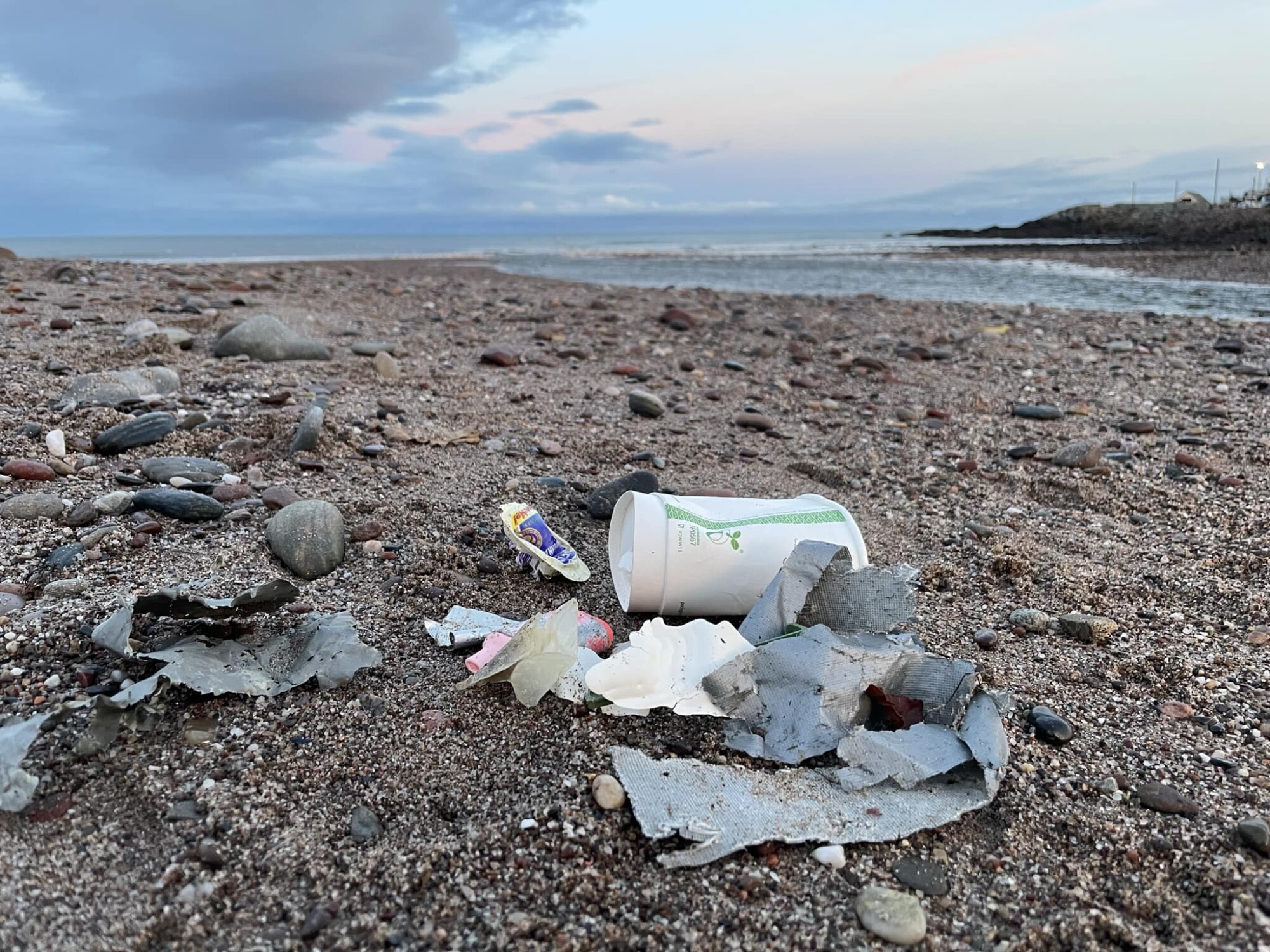
With single use plastic bans now covering Wales, England and Scotland, many of us are looking for alternatives. There has been a massive increase in the demand for bio-plastic. There are more types on the market than ever before, and global bio-plastic production is set to more than TRIPLE to 7.43 million by 2028. That’s good right? Unfortunately, not as good as you’d think. This increase might mean problems for our infrastructure, for our environment, and for us consumers trying to make the right choice.
Feeling confused about the difference between “bio-degradable and degradable”, “plant-based and bio-based”? And what does “compostable” actually mean? You’re not alone. There are mountains of articles, hundreds of products, lots of jargon, and not to mention greenwashing sometimes in the mix.
What is a bio-plastic?
Bio-plastic, bio-based and plant-based plastic are usually the same thing. You can get some bio-plastic that is made from micro-organisms, but most are made from bio-mass.
All bio-plastics are polymers, just like all plastics. They come from natural sources such as starch, corn or other plants, such as algae. They are not made from fossil fuels. However, some products can contain a mix of bio-plastic and regular petroleum-based plastic. Common types of bioplastic include; PHA, PLAs and Bio-PET.
These can sometimes break down in our environment, and sometimes not.
Some are recyclable, and some are not.
One thing they all have in common, is by the time they have been processed they have pretty much the same chemical formula as regular plastics.
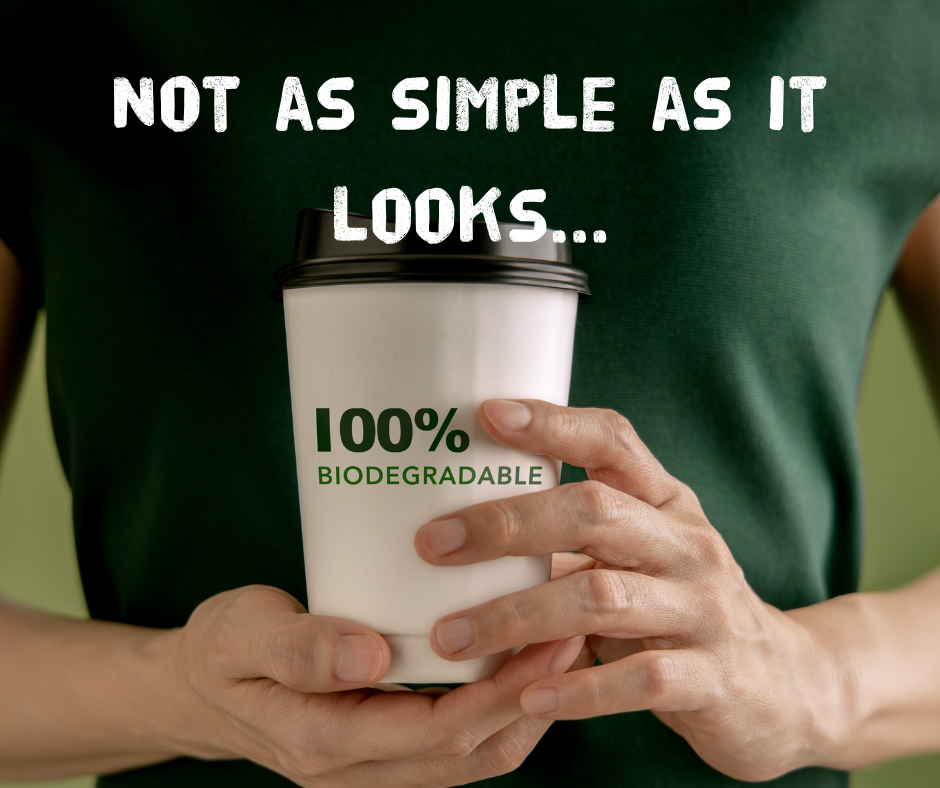
Whether it’s a bio-plastic, a petrol- based plastic, or a mix of the two, there are different terms to describe how they might break down. But these terms don’t always tell us the full picture either.
Degradable
Simply… “to break down” but not to decompose.
This can take a very long time, and there’s not enough research into how degradable products do break down. We know for conventional plastics they never truly leave the environment, so when they do break down more easily, it’s a microplastic nightmare.
Bio-degradable
“Capable of being decomposed by bacteria or other living organisms.”
This sounds great, but this means that each type of biodegradable product will need a specific bacterium and conditions for it to break down, and in the wrong conditions, it may never break down. Bio-degradable does not mean compostable. How products decompose depend on what they’re made of, and there are so many different types on the market.
In reality, the majority of these products end up in landfill, incineration, or polluting our environment where they are very unlikely to naturally decompose.
Industrially compostable
There’s a British standard for compostable packaging: BS EN 13432.
This means the product will decompose under industrial composting conditions only. They need specific temperatures, aeration and chemical balance and microbes for decomposition. These products won’t decompose if left in a road verge… or even on a home compost pile.
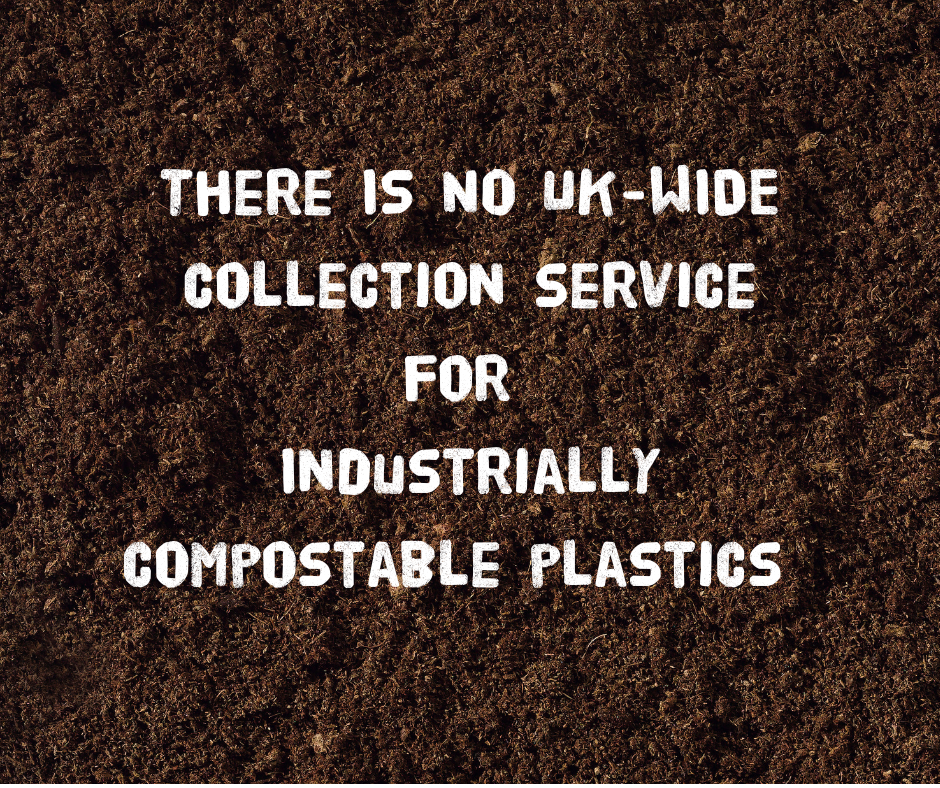
There are currently no household collection services for industrially compostable products in the UK, and we don’t have the infrastructure to sort and separate out these materials. In reality, these products are unlikely to make it further than a general waste bin, without some sort of return or collection scheme.
Even worse, these products often end up being disposed of in domestic recycling collection boxes, contaminating these recycling streams and creating another issue in well established recycling processes and habits.

Home compostable
The British Standards Institute (BSI), our national governing body responsible for certification and verification of products, currently has no scheme that covers ALL home compostable products.
There are very few certification schemes available that prove products have been tested in home compostable conditions. These do include ‘Vincotte’, and a BSI home compostable standard which only covers carrier bags (BS EN 17427).
Home compostable products could be a promising alternative, but we need more research.
Here’s three last things to keep in mind about bio-plastics …
- The impact on the environment
Bio-plastics give rise to many of the same issues as regular plastic. And, there are other issues such as agriculture, additives, carbon emissions, chemicals, water consumption, competing land use with food crops … the list goes on.
- Infrastructure
We don’t have the infrastructure in place in the UK to deal with the amount of biodegradable and compostable plastics that are on the market. Many bio-plastics go to landfill as councils can’t process them, and it’s often confusing which waste collection they should in.
- Recycling
Many bioplastics are not recyclable. They can cause problems if they enter our current recycling, causing contamination. So separate recycling streams are needed to be able to properly discard bioplastics, putting additional strain on our already stretched waste services.
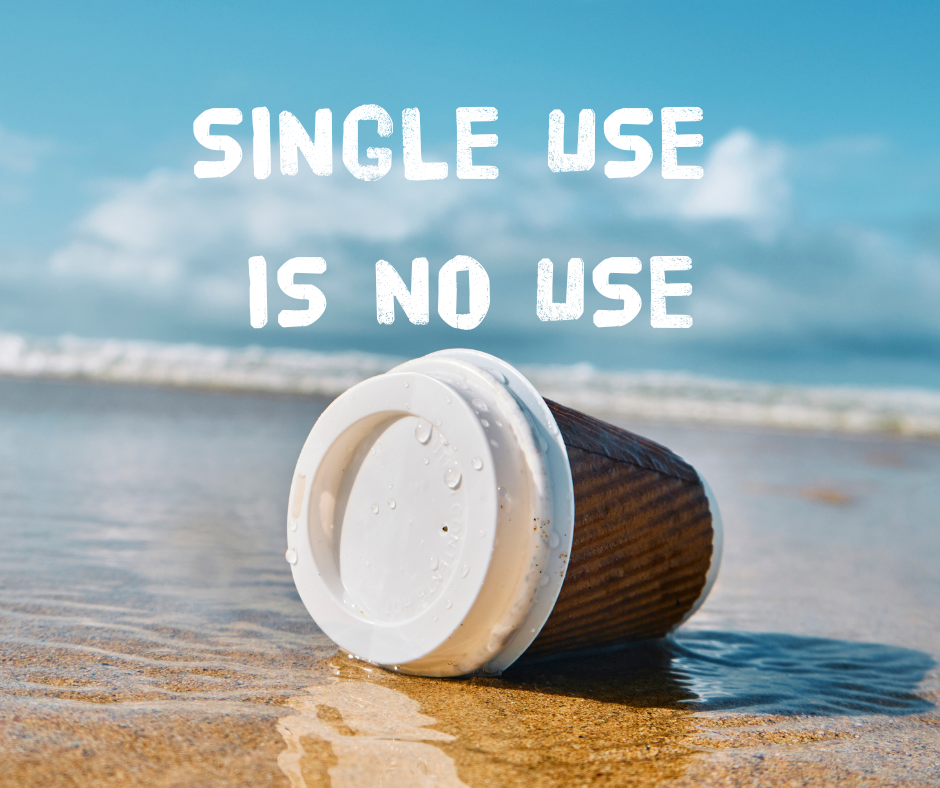
In a nutshell…any single use is NO use.
The only way we can work towards a circular economy is by reducing waste and plastic together, and moving to reuse and refill as the preferred single-use plastic alternative.
You can find out more about the refill revolution, tips on choosing a plastic alternative, or how to avoid plastic greenwashing…in more of our blogs.
If you want to find out more about moving to re-use and re-fill options in your life or your business, then head HERE. You can sign up as a Business, an Individual or even sign up to lead your own community to becoming a Plastic Free Community.
Latest News & Events
Other ways to support
Plastic Free Schools
We urgently need your help to fight plastic pollution, protect the ocean
and save wildlife.

Join Surfers Against Sewage
The more members we have, the louder our voice becomes and the more attention we can demand from government and industry.
Fundraise for us
When you sign up to a challenge event or host an event in aid of SAS, not only will YOU be saving our oceans, but you also get to have lots of fun while doing it!